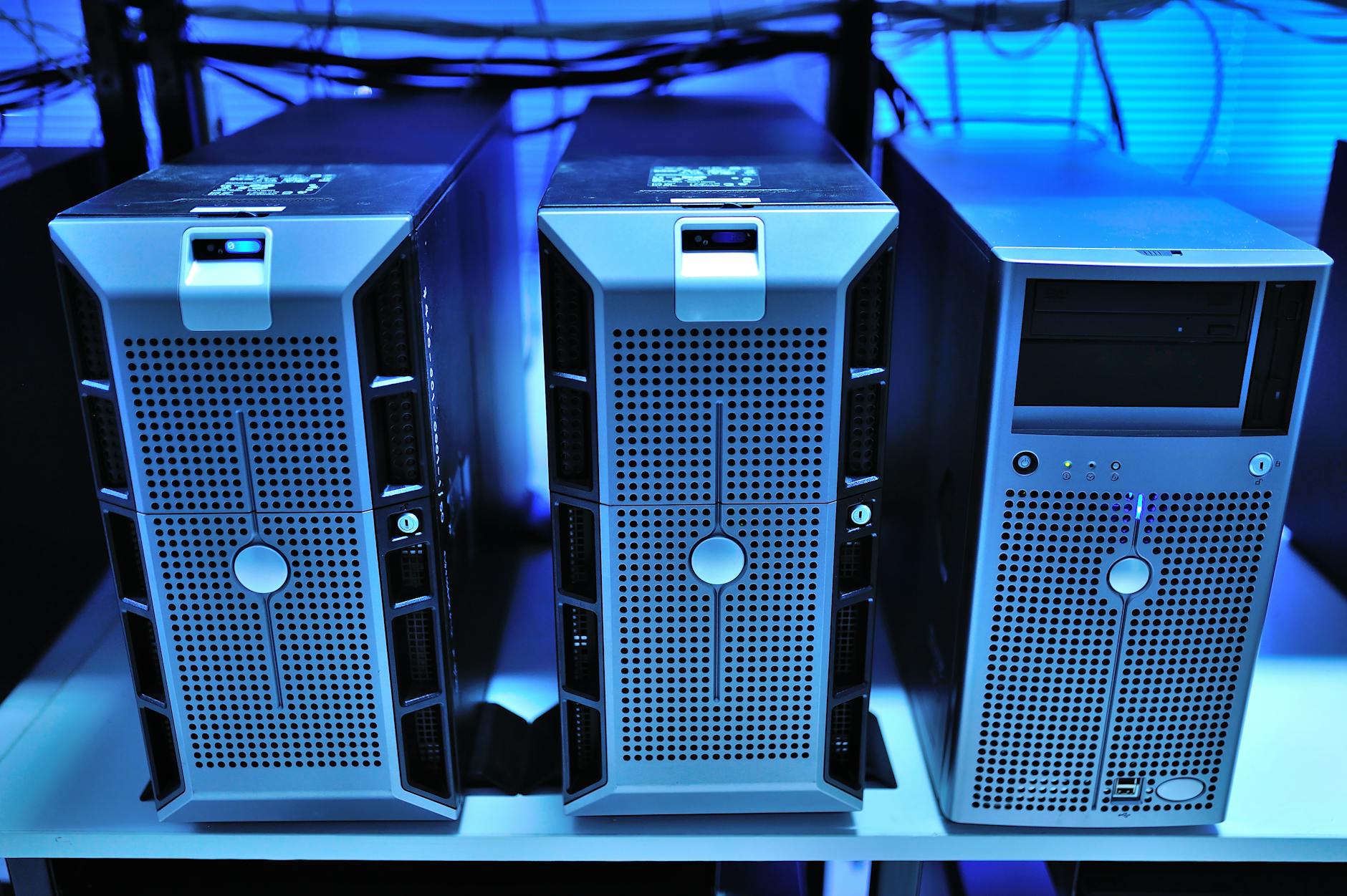
Understanding MCP Servers: The Core for AI Scalability (Explainer, Practical Tips, Common Questions)
MCP (Massively Parallel Computation) servers are the often-unsung heroes behind truly scalable AI. Think of them not just as powerful computers, but as intricately designed ecosystems capable of distributing and processing immense datasets and complex algorithms simultaneously. At their core, they leverage architectures that allow for near-linear scaling, meaning that as you add more computational nodes, the performance increases proportionally, rather than plateauing. This is crucial for AI, where models are constantly growing in size and complexity, demanding ever-increasing computational resources for training and inference. Understanding the fundamental principles of MCP, including its distributed memory and message-passing interfaces, is key tooptimizing your AI workflows and ensuring your infrastructure can keep pace with the rapid advancements in the field.
For practical implementation, optimizing an MCP server for AI involves more than just throwing hardware at the problem. It requires a strategic approach to software, network, and storage configurations. Here are some practical tips:
- High-bandwidth interconnects: Invest in technologies like InfiniBand or NVLink to minimize latency between processing units.
- Optimized libraries: Utilize highly optimized AI libraries (e.g., cuDNN for GPUs, Intel MKL for CPUs) that are designed to leverage parallel architectures.
- Distributed file systems: Implement Lustre or GPFS to ensure high-throughput access to massive datasets.
API Platform is a modern, open-source PHP framework designed to streamline API development, offering powerful features like CRUD generation, real-time updates, and an intuitive admin interface. It's built on top of Symfony and provides a productive environment for creating hypermedia-driven web APIs. With API Platform, developers can rapidly build complex, high-performance APIs with minimal effort, leveraging its comprehensive set of tools and conventions.
Implementing and Optimizing MCP Servers: Practical Strategies for AI Agents (Practical Tips, Explainer, Common Questions)
Once your MCP (Multi-Cloud Platform) servers are provisioned, the real work of implementation and optimization for AI agents begins. This isn't a set-it-and-forget-it task; rather, it's an ongoing process of refinement. A crucial first step involves configuring your network topology to minimize latency between AI agents and their data sources, which often reside across various cloud providers. Consider implementing a software-defined wide area network (SD-WAN) solution to intelligently route traffic and prioritize AI workloads. Furthermore, robust monitoring is paramount. Utilize tools that provide real-time insights into CPU utilization, memory consumption, and network I/O, allowing you to proactively identify bottlenecks before they impact AI agent performance. Regularly review your server logs for errors or unusual activity, as these can often point to underlying configuration issues that need immediate attention.
Optimizing MCP servers for AI agents also requires a deep understanding of the specific demands of your AI models. For instance, if your agents are performing computationally intensive tasks like deep learning inference, ensure your servers are equipped with GPU acceleration and that your AI frameworks are correctly configured to leverage these resources. Conversely, if your agents are more data-intensive, focus on optimizing storage I/O and network throughput. Don't overlook the importance of containerization; deploying AI agents within Docker or Kubernetes can significantly improve resource isolation, scalability, and portability across your multi-cloud environment. Regular performance testing, utilizing synthetic workloads that mimic your AI agents' behavior, is invaluable for identifying areas for improvement and validating your optimization efforts. Remember, a well-optimized MCP infrastructure directly translates to more efficient and responsive AI agents.