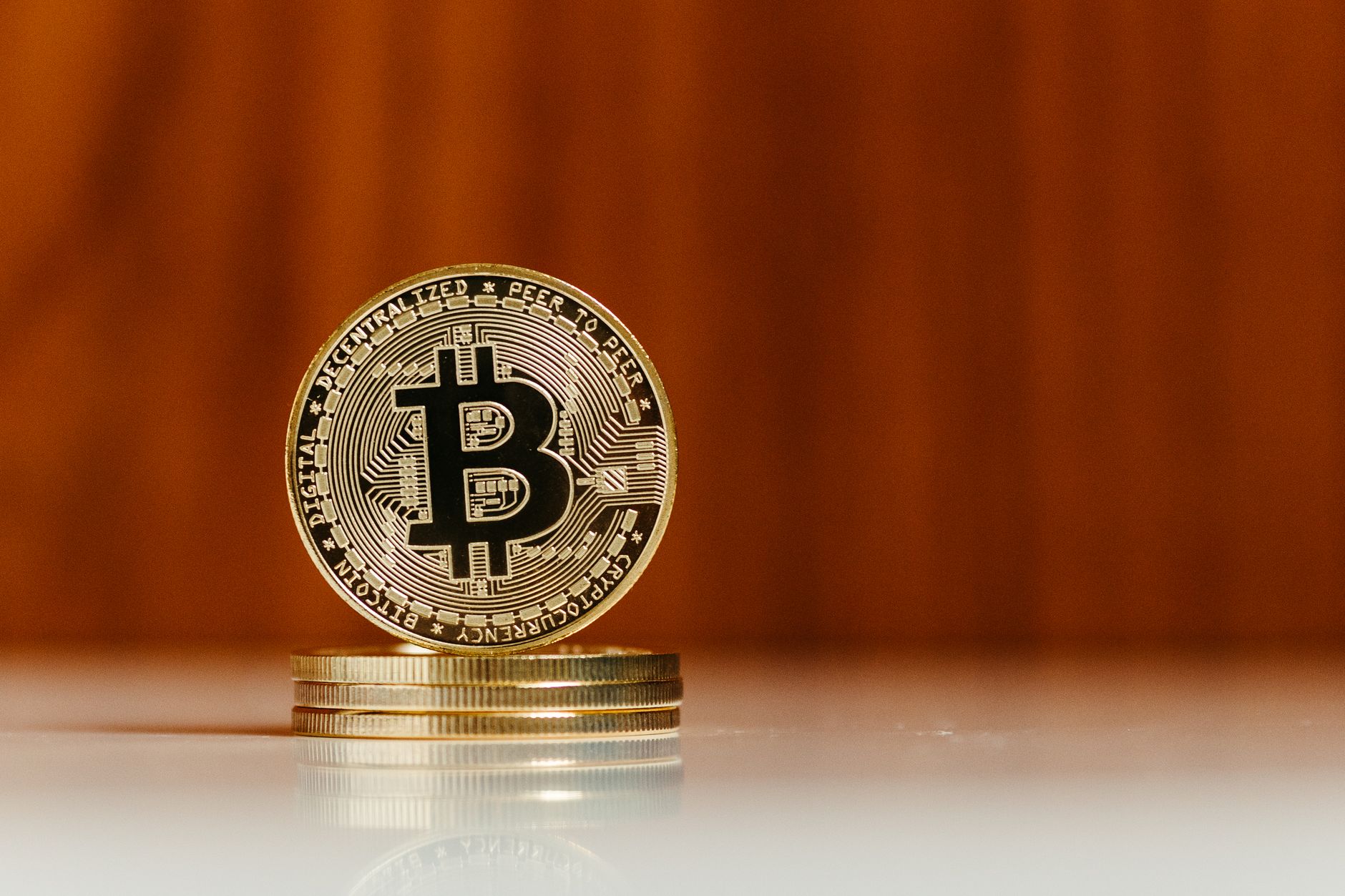
Understanding Crypto Payments: Speed, Anonymity, and How They Work (Plus FAQs)
Crypto payments offer a paradigm shift in how we conduct financial transactions, moving beyond traditional banking systems. At their core, these payments leverage decentralized blockchain technology, ensuring transactions are recorded on a public, immutable ledger. This eliminates the need for intermediaries like banks, leading to significantly faster settlement times, often within minutes, regardless of geographical boundaries or bank operating hours. Furthermore, while not entirely anonymous, many cryptocurrencies provide a degree of pseudonymity, where transactions are linked to wallet addresses rather than personal identities. This blend of speed and enhanced privacy presents a compelling alternative for individuals and businesses seeking more efficient and secure payment methods.
The mechanics of a crypto payment involve several key steps. First, the sender initiates a transaction from their digital wallet, specifying the recipient's wallet address and the amount of cryptocurrency to be sent. This transaction is then broadcast to the network of computers (nodes) that maintain the blockchain. These nodes verify the transaction's legitimacy, ensuring the sender has sufficient funds and the transaction adheres to the network's rules. Once verified, the transaction is bundled with others into a 'block' and added to the blockchain through a process called 'mining' or 'staking,' making it a permanent and irreversible record. The funds are then reflected in the recipient's wallet, completing the payment. This entire process, while seemingly complex, is often seamless for the end-user, handled by their chosen wallet interface.
An online crypto casino offers a modern and often anonymous way to gamble using various cryptocurrencies. These platforms provide a wide range of games, from slots to live dealer experiences, all while leveraging the security and transparency of blockchain technology. Players can enjoy fast transactions and enhanced privacy compared to traditional online casinos.
Navigating Crypto Casino Fees: Practical Tips for Saving Money and Common Pitfalls to Avoid
Understanding the fee structures at crypto casinos is paramount for any savvy player. Unlike traditional online casinos, crypto platforms often introduce unique transaction costs related to blockchain networks, such as network fees (gas fees) for deposits and withdrawals, which can fluctuate wildly based on network congestion. Beyond these, be wary of potential conversion fees if you're depositing one cryptocurrency and playing with another, or hidden charges for fiat off-ramps. Always scrutinize the casino's terms and conditions regarding their own processing fees and withdrawal limits. Some platforms might offer zero-fee transactions for specific cryptocurrencies or incentivize larger deposits with reduced charges, so doing your research upfront can significantly impact your overall profitability.
To effectively minimize your crypto casino expenses, consider these practical tips. Firstly, prioritize casinos that clearly outline all their fees and have a reputation for transparency. Secondly, whenever possible, opt for cryptocurrencies with lower transaction fees, like Litecoin (LTC) or Tron (TRX), especially for smaller deposits and withdrawals, as opposed to Ethereum (ETH) during peak times. Thirdly, strategize your withdrawals; consolidating smaller wins into fewer, larger withdrawals can often reduce cumulative network fees. Finally, be mindful of inactivity fees or withdrawal minimums that could trap your funds. A little due diligence before you play can prevent unpleasant surprises and ensure more of your winnings stay in your digital wallet.